- Curiosity Logs Newsletter
- Posts
- Revisiting Zero to One: New Snippets on Creating the Future
Revisiting Zero to One: New Snippets on Creating the Future
From building unique products to thinking critically about competition, "Zero to One" continues to offer invaluable insights for anyone looking to break new ground.
In this week's edition of Curiosity Logs, we will discuss
Weekly Book Highlights from “Zero to One” by Peter Thiel
Forwarded this email? Sign up here
📚 Weekly Book Highlights
Zero to One by Blake Masters and Peter Thiel
In this week's edition of Curiosity Logs, we're taking a second deep dive (Read the first part here) into the groundbreaking ideas from "Zero to One" by Peter Thiel.
Join me as we revisit and explore more enlightening snippets on innovation, entrepreneurship, and creating the future.
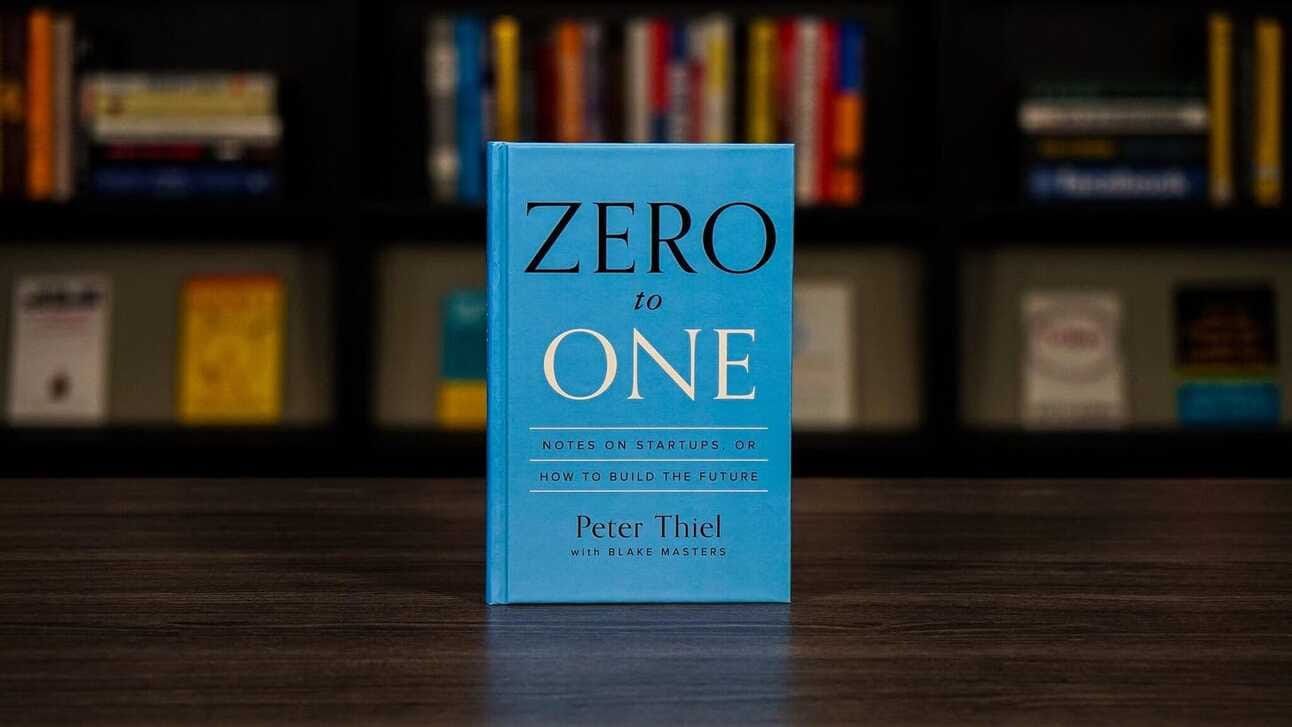
From building unique products to thinking critically about competition, "Zero to One" continues to offer invaluable insights for anyone looking to break new ground. Let's embark on this innovative journey together—again!
Here 14 snippets from the book on building a successful StartUp
Our ancestors lived in static, zero-sum societies where success meant seizing things from others.
if you want to create and capture lasting value, don’t build an undifferentiated commodity business.
The smartphones that distract us from our surroundings also distract us from the fact that our surroundings are strangely old: only computers and communications have improved dramatically since midcentury.
Creative monopolists give customers more choices by adding entirely new categories of abundance to the world. Creative monopolies aren’t just good for the rest of society; they’re powerful engines for making it better. history of progress is a history of better monopoly businesses replacing incumbents.
a great business is defined by its ability to generate cash flows in the future. …the value of a business today is the sum of all the money it will make in the future.
If you focus on near-term growth above all else, you miss the most important question you should be asking: will this business still be around a decade from now?
As a good rule of thumb, proprietary technology must be at least 10 times better than its closest substitute in some important dimension to lead to a real monopolistic advantage.
This is why successful network businesses rarely get started by MBA types: the initial markets are so small that they often don’t even appear to be business opportunities at all.
Beginning with brand rather than substance is dangerous. No technology company can be built on branding alone.
The perfect target market for a startup is a small group of particular people concentrated together and served by few or no competitors.
In practice, a large market will either lack a good starting point or it will be open to competition, so it’s hard to ever reach that 1%.
The most successful companies make the core progression—to first dominate a specific niche and then scale to adjacent markets—a part of their founding narrative.
Capablanca put it well: to succeed, “you must study the endgame before everything else.”
Instead of pursuing many-sided mediocrity and calling it “well-roundedness,” a definite person determines the one best thing to do and then does it.
P.S. I’d love to know: What is the single snippet above that sounds most interesting or impactful to you?